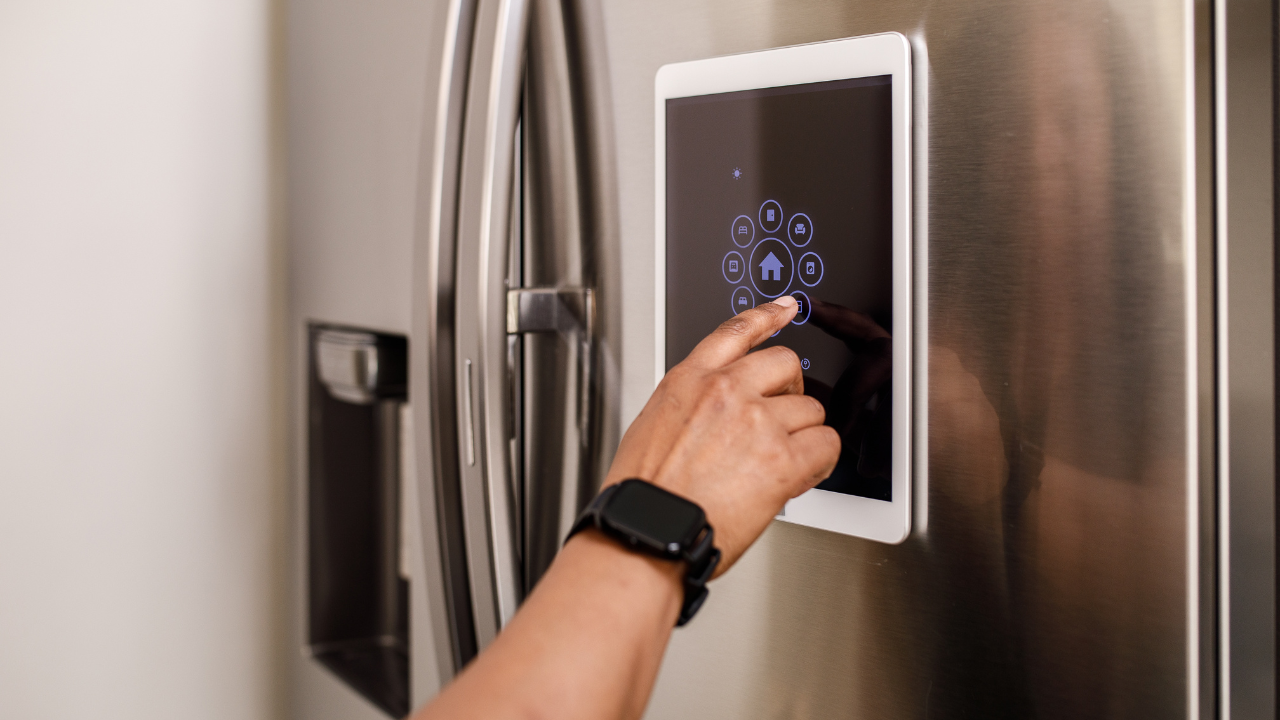
Cooking is supposed to be grounding. A place where you slow down, chop vegetables, stir something warm on the stove, and feel a little more human again. But in reality, the kitchen often does the opposite. It interrupts you. It pulls you in ten directions at once. A recipe on your phone that keeps locking. Sticky hands when you need to set a timer. A missing step you can’t quite remember because you’re mid-task and can’t scroll back.
This is where the idea of a voice assistant for cooking quietly changes everything.
Not in a futuristic, robot-chef kind of way. But in a small, practical way that reduces friction exactly where home cooking tends to break down.
The real problem: cooking demands your hands, but information doesn’t
Most cooking stress doesn’t come from cooking itself. It comes from context switching.
You’re kneading dough and suddenly need to check oven temperature.
You’re stirring a sauce and realize you need a timer—but your hands are covered in oil.
You’re halfway through a recipe and your screen goes dark again.
Even simple meals turn into a loop of interruptions.
This is why using Alexa while cooking, or any voice-controlled assistant like Google Assistant, feels surprisingly useful. It removes the need to physically interact with information systems while you’re in motion.
The kitchen becomes less about “stopping to check” and more about continuing while being guided.
What a voice assistant actually does in a modern kitchen
At its core, a voice controlled kitchen setup is not about automation replacing cooking. It’s about reducing the number of micro-decisions you have to physically act on.
A typical setup with devices like Amazon Alexa or Google Assistant might help you:
- Set multiple timers without touching anything
- Convert measurements instantly (“How many tablespoons in 80ml?”)
- Walk through recipes step-by-step
- Control smart ovens or preheating schedules
- Add items to grocery lists while cooking
- Play music or podcasts hands-free
What matters isn’t the list itself. It’s what disappears: the interruptions.
Why this reduces stress (it’s not just convenience)
People often assume voice assistants are just a “nice extra.” But in kitchens, they reduce a specific type of mental load: working memory strain.
When you cook without assistance, your brain is constantly juggling:
- What step am I on?
- Did I already set the timer?
- What comes next?
- Did I turn the oven down?
This creates a low-level tension that builds over time.
A voice assistant externalizes those tasks. Instead of remembering everything, you delegate it.
That shift is subtle, but it changes how the kitchen feels. Less like multitasking. More like flow.
Where voice assistants actually shine in real cooking situations
Not every kitchen moment benefits equally. The biggest wins tend to show up in repetitive or time-sensitive tasks.
1. Baking (where timing matters more than intuition)
Baking is where smart speaker recipes shine. You can ask for step-by-step guidance and set timers without breaking rhythm. This reduces one of the most common baking mistakes: forgetting stages mid-process.
2. Weeknight cooking under time pressure
When dinner needs to happen fast, voice assistants become a kind of second brain. You can multitask without losing track of timing.
3. Meal prep sessions
During structured cooking (chopping, batch cooking, organizing ingredients), voice commands reduce constant wiping hands or unlocking screens.
This pairs especially well with meal planning apps that integrate grocery lists and recipes.
The limitations people don’t talk about
Voice assistants are helpful—but not flawless.
Here’s where they fall short:
1. Misunderstood commands
Background noise, boiling pots, or accents can lead to misinterpretation.
2. Limited recipe depth
Some recipes still assume visual guidance. Complex plating or texture-based cues don’t translate well to voice.
3. Dependence on ecosystem compatibility
Not all appliances integrate smoothly with assistants.
For example, some smart ovens or connected appliances only work with specific platforms.
4. Privacy concerns
A microphone in the kitchen raises understandable concerns. Most systems allow muting, but awareness matters.
Common mistakes when setting up a voice-controlled kitchen
Many people don’t get the full benefit of voice assistants because they set them up like gadgets instead of systems.
A few common mistakes:
- Not placing the speaker where cooking noise won’t overwhelm it
- Not linking grocery lists or recipe apps
- Treating it as a novelty instead of a workflow tool
- Expecting full automation instead of assistance
The most effective setups are simple, not complex. One speaker. A few routines. A few connected devices. That’s enough.
Buying considerations: what actually matters
If you’re thinking about adding a voice assistant for cooking, the decision isn’t really about the speaker itself. It’s about what ecosystem you want your kitchen to run on.
Key things to consider:
- Compatibility with existing smart devices
- Recipe integration (not all assistants handle this equally well)
- Sound clarity in noisy environments
- Multi-room support if you cook across spaces
- Integration with kitchen automation tools
You may also want to think beyond the speaker:
- Smart plugs for coffee machines
- Connected thermometers for precision cooking
- Smart lighting for nighttime cooking comfort
This is where voice assistants stop being standalone devices and start becoming the control layer of a connected kitchen ecosystem.
Expert tips for making voice cooking actually work
A few small adjustments make a big difference:
1. Create kitchen-specific routines
Instead of individual commands, build sequences like “Start cooking dinner” that turns on lights, sets timers, and opens a recipe.
2. Use simple command language
The clearer your phrasing, the more reliable the system becomes.
3. Position matters more than people expect
Keep the speaker away from splashes but close enough to hear over boiling water and fans.
4. Combine voice with visual tools
A tablet or screen + voice assistant is often the most effective combination.
This is especially useful when working with smart coffee makers or multi-step appliances.
Frequently asked questions
Can I really cook without touching my phone at all?
Yes, for most everyday meals. The biggest limitation is complex recipes that rely on visuals.
Do voice assistants work well in noisy kitchens?
They work reasonably well, but placement and speaking clearly matter more than people expect.
Are they worth it if I only cook simple meals?
Even simple cooking benefits from timers, conversions, and hands-free lists. The value is often in reducing interruptions, not complexity.
What’s the best ecosystem for cooking?
It depends on what you already use, but most kitchens revolve around either Alexa or Google Assistant, depending on device compatibility.
Conclusion: the kitchen feels different when it stops interrupting you
A voice assistant for cooking doesn’t make you a better chef. It doesn’t replace instinct or experience. What it does is quieter and more practical—it removes friction at the exact points where cooking tends to break your focus.
When timers, conversions, recipes, and reminders stop requiring physical interaction, something subtle happens. You stay in the process longer. You move more naturally. You think less about managing tools and more about the food itself.
That’s where the real shift happens: not in automation, but in attention.
And in a kitchen full of distractions, attention is the most valuable ingredient you have.